Importance of Quality in Piping Fabrication Services

In the world of industrial construction and manufacturing, the quality of piping fabrication services plays a crucial role in ensuring the safety, efficiency, and longevity of various systems. From oil and gas to water treatment and chemical processing, the integrity of piping systems can significantly impact operational success. This blog post delves into the importance of quality in piping fabrication services, exploring its benefits, challenges, and best practices.
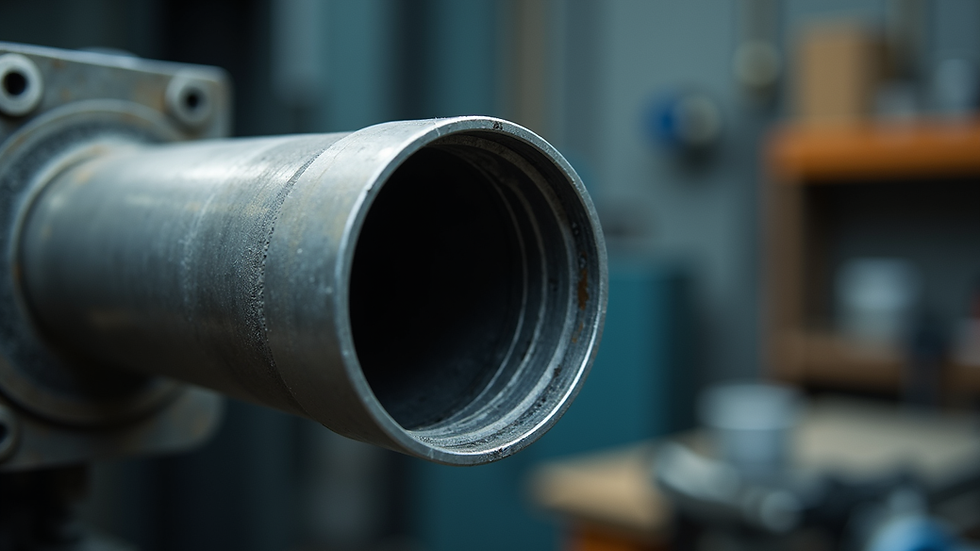
Understanding Piping Fabrication
Piping fabrication involves the process of designing, manufacturing, and assembling piping systems that transport fluids and gases. This process includes several stages, such as:
Material Selection: Choosing the right materials based on the application, pressure, and temperature requirements.
Cutting and Shaping: Using various techniques to cut and shape pipes to the desired dimensions.
Welding and Joining: Employing welding methods to join pipes and fittings securely.
Testing and Inspection: Conducting tests to ensure the integrity and functionality of the piping system.
Each of these stages requires precision and expertise to ensure that the final product meets industry standards and client specifications.
The Benefits of Quality in Piping Fabrication
Enhanced Safety
One of the primary reasons quality is paramount in piping fabrication is safety. Poorly fabricated pipes can lead to leaks, ruptures, and catastrophic failures, posing risks to personnel and the environment. High-quality fabrication ensures that:
Materials are durable and suitable for the intended application.
Welds are strong and free from defects.
Testing protocols are followed to identify potential weaknesses.
Improved Efficiency
Quality fabrication contributes to the overall efficiency of operations. When piping systems are fabricated correctly, they function optimally, reducing the likelihood of downtime caused by repairs or replacements. This efficiency translates to:
Lower operational costs due to reduced maintenance needs.
Increased productivity as systems run smoothly without interruptions.
Better resource management, allowing for more effective use of materials and labor.
Compliance with Standards
Industries are governed by strict regulations and standards to ensure safety and quality. Quality piping fabrication services adhere to these standards, which include:
ASME (American Society of Mechanical Engineers) codes for pressure vessels and piping.
API (American Petroleum Institute) standards for oil and gas applications.
ISO (International Organization for Standardization) certifications for quality management.
Compliance not only ensures safety but also enhances the reputation of the fabricator, making them a preferred choice for clients.
Challenges in Piping Fabrication
While the importance of quality in piping fabrication is clear, several challenges can hinder the process:
Skilled Labor Shortage
The piping fabrication industry faces a shortage of skilled labor, which can impact the quality of work. Experienced fabricators are essential for:
Precision cutting and welding.
Understanding complex designs and specifications.
Implementing quality control measures effectively.
Material Quality Variability
The quality of materials used in fabrication can vary significantly. Inconsistent material quality can lead to:
Weak points in the piping system.
Increased risk of failure.
Higher costs due to the need for replacements or repairs.
Technological Advancements
As technology evolves, so do the methods and tools used in piping fabrication. Keeping up with these advancements can be challenging for some fabricators, leading to:
Inadequate training for staff.
Outdated equipment that may not meet current standards.
Resistance to change, hindering the adoption of better practices.
Best Practices for Ensuring Quality in Piping Fabrication
To overcome these challenges and ensure high-quality piping fabrication, companies can implement several best practices:
Invest in Training and Development
Continuous training for fabricators is essential to maintain high standards. This can include:
Workshops on new technologies and techniques.
Certification programs to enhance skills and knowledge.
Mentorship programs pairing experienced fabricators with newcomers.
Implement Rigorous Quality Control
Establishing a robust quality control system can help identify issues early in the fabrication process. Key components include:
Regular inspections at each stage of fabrication.
Testing protocols to assess the integrity of materials and welds.
Documentation of quality checks to ensure compliance with standards.
Utilize Advanced Technology
Embracing technological advancements can significantly improve the quality of piping fabrication. This includes:
Computer-aided design (CAD) software for precise designs.
Automated cutting and welding machines for consistency.
Non-destructive testing (NDT) methods to evaluate weld quality without damaging the pipes.
Foster Strong Supplier Relationships
Building strong relationships with material suppliers can ensure consistent quality. This can involve:
Regular audits of supplier facilities.
Collaborative efforts to improve material quality.
Clear communication regarding specifications and expectations.
Case Studies: Quality in Action
Case Study 1: Oil and Gas Industry
A major oil and gas company faced repeated failures in their piping systems due to poor fabrication quality. After switching to a new fabricator that emphasized quality control and compliance with industry standards, they saw a significant reduction in leaks and failures. This change not only improved safety but also saved the company millions in repair costs.
Case Study 2: Chemical Processing Plant
A chemical processing plant struggled with downtime caused by piping failures. By investing in advanced welding technology and training their staff, they improved the quality of their piping systems. As a result, they experienced a 30% decrease in maintenance costs and an increase in overall productivity.
Conclusion
The importance of quality in piping fabrication services cannot be overstated. It directly impacts safety, efficiency, and compliance with industry standards. By investing in skilled labor, implementing rigorous quality control measures, and embracing technological advancements, companies can ensure that their piping systems are reliable and durable. As the industry continues to evolve, prioritizing quality will remain a key factor in achieving operational success.
For those involved in piping fabrication, the takeaway is clear: prioritize quality at every stage of the process to build systems that stand the test of time.


Comments